





Residential and Campus Central Системы ОВиК
Residential and Campus Central Системы ОВиК применения are engineered by Tanpera to balance heat-transfer производительность with процесс safety, сервис access and энергоэффективность—поддержкаing stable operation under real plant conditions.

Ключевые выводы
- Residential and Campus Central Системы ОВиК применения are engineered by Tanpera to balance heat-transfer производительность with процесс safety, сервис access and энергоэффективность—поддержкаing stable operation under real plant conditions.
- Design duty and safety factor must be defined in the same thermal-hydraulic model.
- Corrosion and загрязнение tendency of the процесс fluids must be assessed and suitable materials selected.
- The recommended теплообменник arrangement should be backed by сервис access and a redundancy plan.
- During initial пусконаладка, the control strategy should be re-tuned against real field data.
Residential and Campus Central Системы ОВиК — инженерные приоритеты
For sustainable процесс-side производительность, the following topics should be addressed together.
- Design duty and safety factor must be defined in the same thermal-hydraulic model.
- Corrosion and загрязнение tendency of the процесс fluids must be assessed and suitable materials selected.
- The recommended теплообменник arrangement should be backed by сервис access and a redundancy plan.
- During initial пусконаладка, the control strategy should be re-tuned against real field data.
- Heat-recovery points, total cost of ownership and payback period should be analysed together.
- Spare-parts and сервис plans for critical equipment must stay aligned with the продуктion schedule.
Residential and Campus Central Системы ОВиК — этапы процесса
Typical circuit steps evaluated in this application:
| Процесс step | Heat-transfer duty | Рекомендуемое оборудование |
|---|---|---|
| 1. Load Mapping | Hourly and seasonal heat loads are classified and bottleneck equipment is identified for this duty. | Разборный пластинчатый теплообменник |
| 2. Heat-Transfer Design | Thermal area is selected for the target approach температура to balance производительность, сервис access and энергоэффективность. | Паяный пластинчатый теплообменник |
| 3. Circuit Integration | Bypass, control-valve and pump scenarios are arranged by operating mode; stability is preserved at part load. | Вакуумный дегазатор |
| 4. KPI & Обслуживание Management | Approach температура, перепад давления and energy indicators are trended; очистка and сервис intervals are planned from data. | Разборный пластинчатый теплообменник |
Design Parameters
Minimum engineering inputs for расчёт:
- Hot/cold-side расходs and inlet/outlet температураs (°C)
- Fluid type, viscosity, corrosion class and загрязнение profile
- Design давление (PN class) and maximum operating температура
- Очистка method: CIP, mechanical plate очистка or periodic сервис
- Монтаж orientation, flange class and existing line давление
- Capacity reserve and future load-growth planning
Tanpera Approach
End-to-end поддержка matched to проект and operating needs:
- Проект-based thermal and hydraulic расчёт
- Site монтаж, пусконаладка and производительность testing
- Процесс integration backed by sector reference experience
- After-sales spare plates, gaskets and сервис network
Recommended Tanpera Продукты
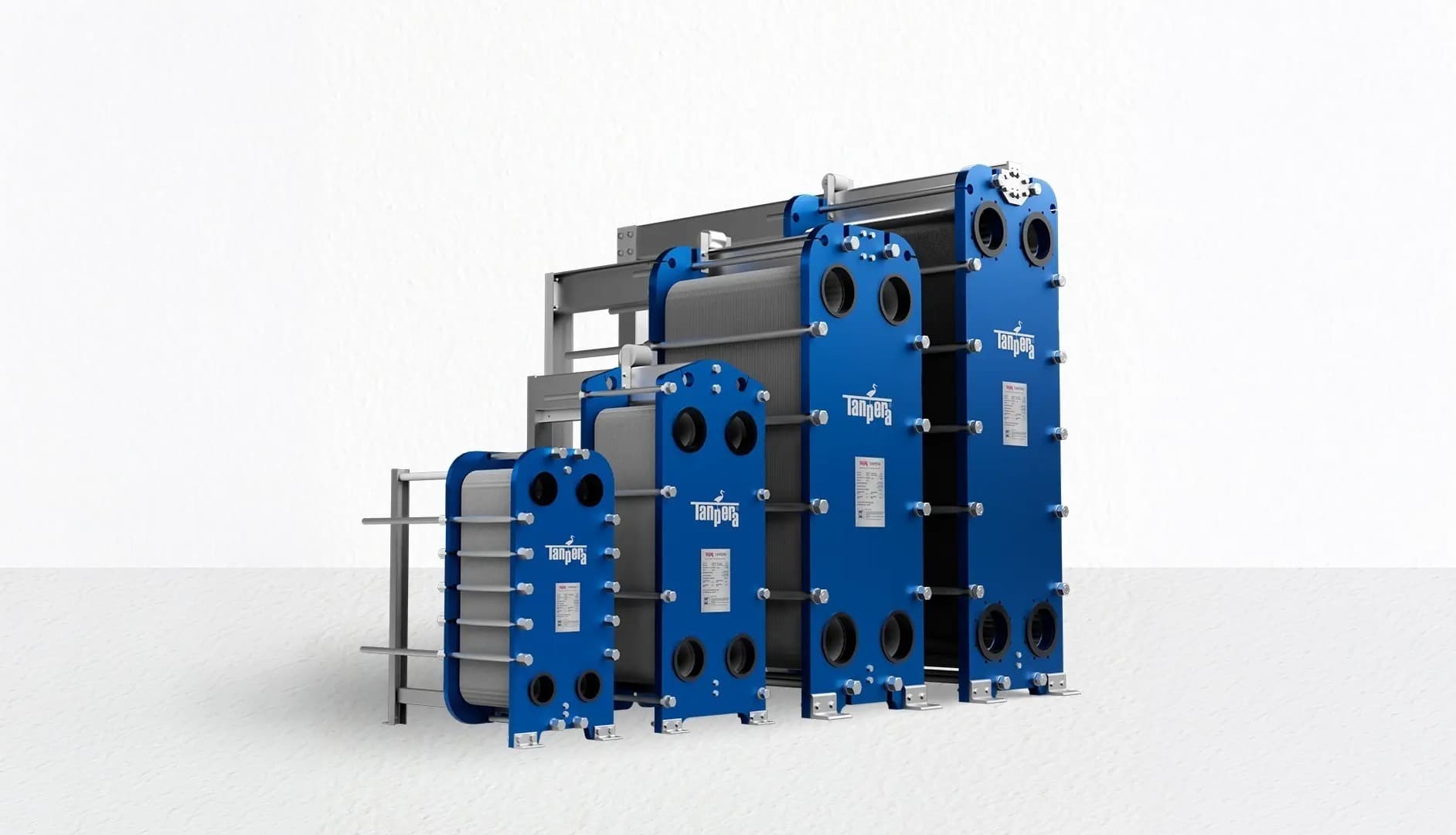
Разборный пластинчатый теплообменник
Modular plate pack, wide capacity range and easy обслуживание. High-эффективность heat transfer for ОВиК and промышленные процесс duties.
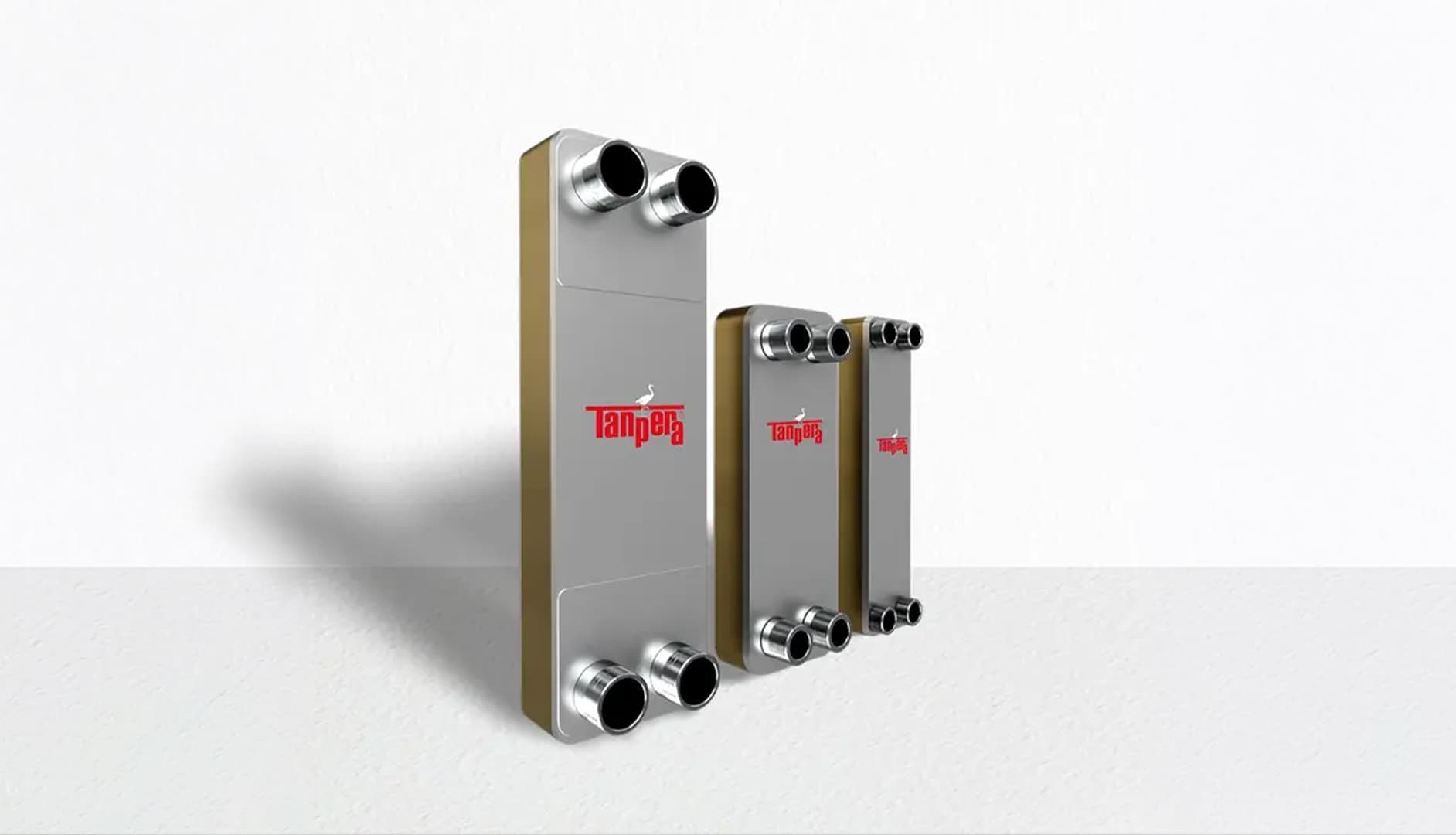
Steel Паяный пластинчатый теплообменник
Compact, gasket-free construction. A reliable решение for secondary circuits and tight монтаж spaces.
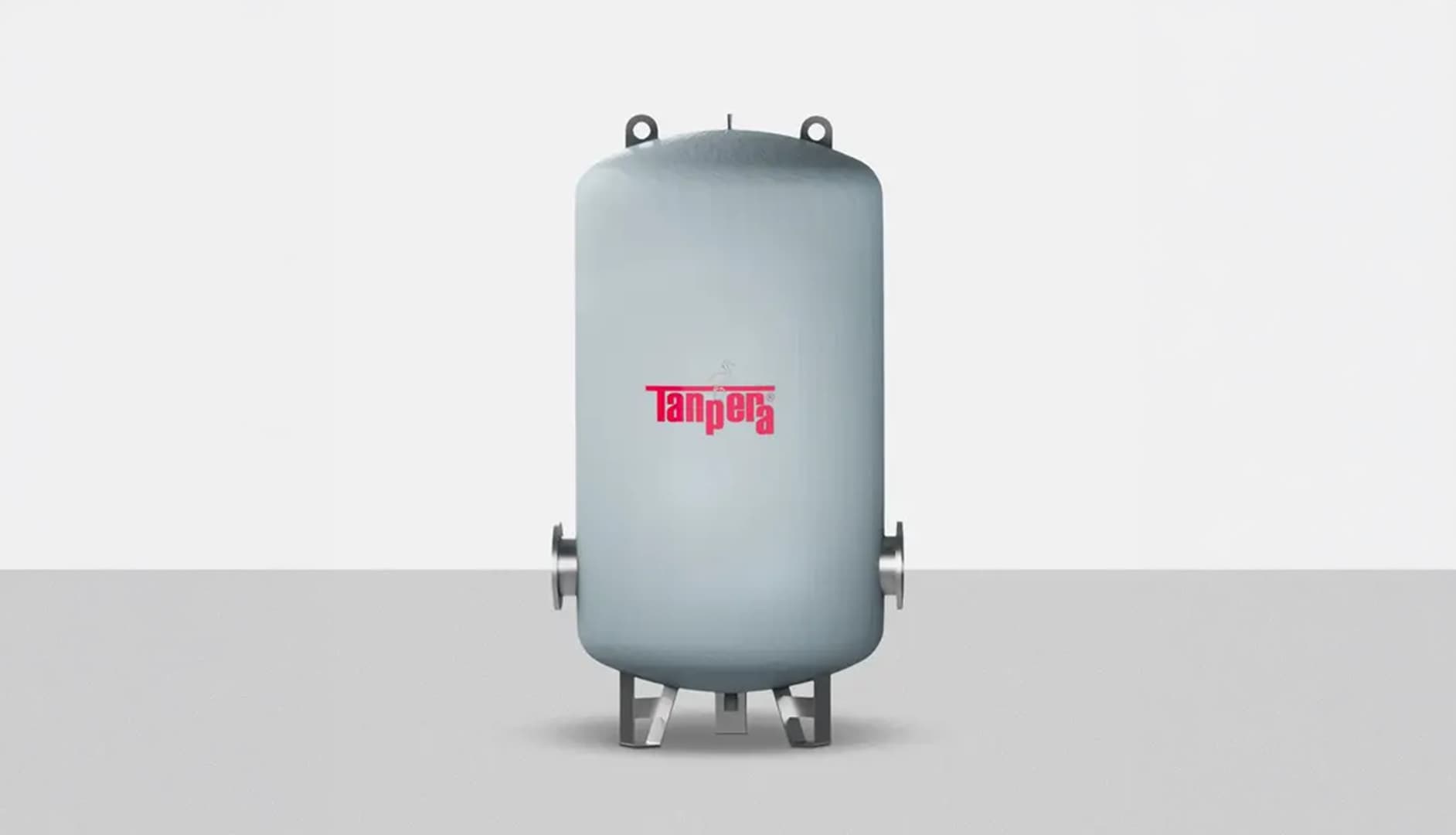
Buffer (Thermal Balance) Tank
Hydraulic balance and load buffering. Capacity reserve for central heating and cooling circuits.
Equipment Selection Notes
Рекомендуемое оборудование groups for this application:
- Gasket/material selection must follow fluid chemistry and температура profile.
- Обслуживание intervals on plate circuits should be tracked against давление-drop trends.
- Where буферные баки are used, automation alarms should stage by approach-температура deviation.
- Производительность tracking in the first 90 days after пусконаладка helps prevent long-term эффективность loss.
Related Решение Center Articles
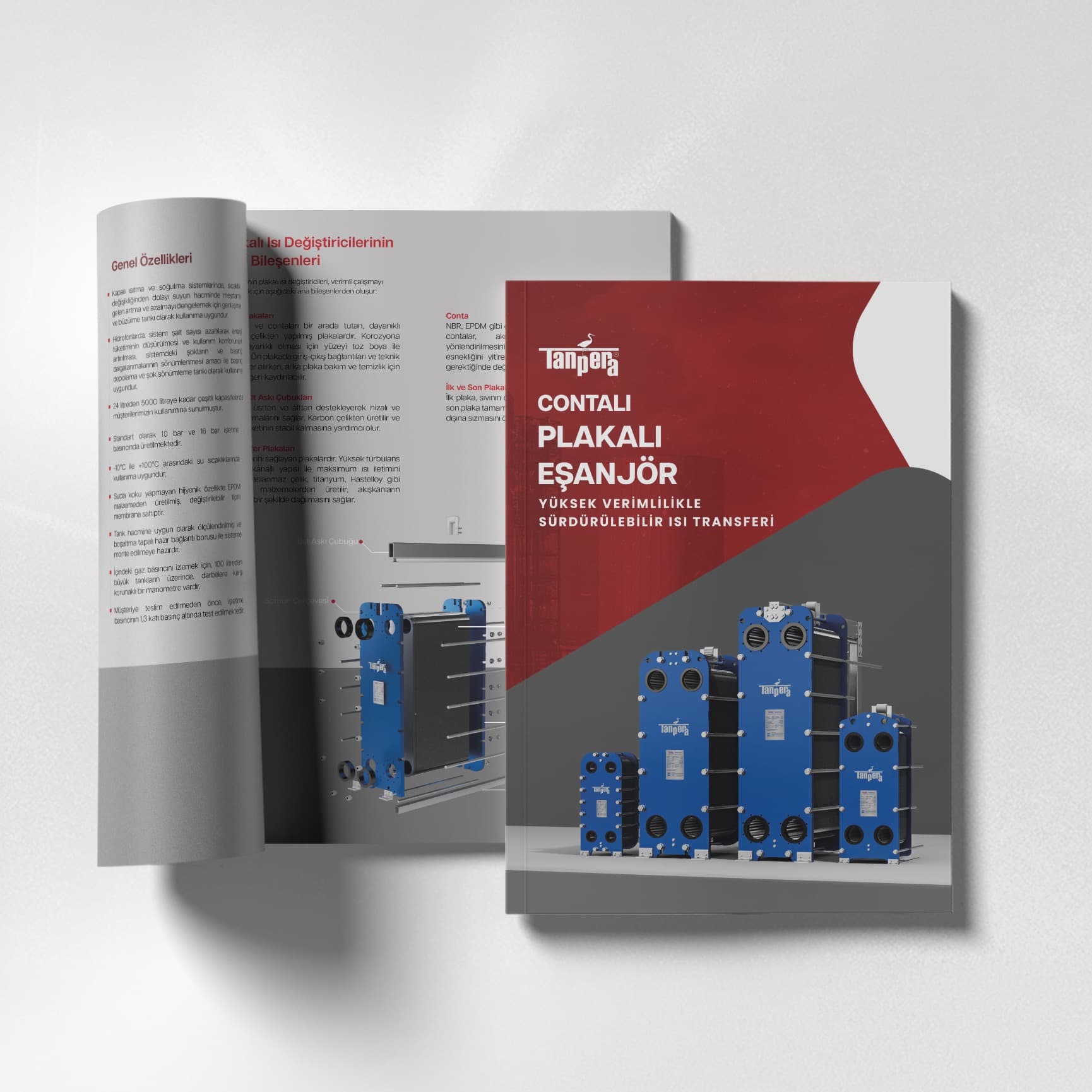
Изучите подробную брошюру
В брошюре вы найдёте группы продуктов Tanpera, технические преимущества и рекомендации по применению.
- Группы продуктов
- Технические преимущества
- Рекомендации по применению
Ссылки и стандарты
- ASHRAE Handbook — HVAC Systems and Equipment — Центральные контуры отопления/охлаждения и гидравлическая балансировка
- AHRI Standard 400 — Liquid to Liquid Heat Exchangers — Классификация производительности пластинчатых теплообменников
Часто задаваемые вопросы
In Residential and Campus Central Системы ОВиК проекты, what is the first design criterion?
Validate the процесс target against a quantified load profile and set approach-температура and давление-drop limits together for the relevant fluid circuits.
Какой тип теплообменника имеет приоритет в этом применении?
The primary type follows fluid character, загрязнение tendency and обслуживание strategy; hybrid arrangements with complementary equipment are used where duty profiles require it.
Как контролируются загрязнение и потеря производительности?
Online температура-difference monitoring, periodic approach analysis and planned очистка windows catch heat-transfer coefficient drift early, reducing unplanned downtime risk.
Какие методы применяются для снижения энергопотребления?
Load matching, recovery integration and flow-control optimisation are addressed together to reduce energy per unit of продукт.