

Пластинчатый теплообменник Selection Guide
Пластинчатый теплообменник Selection Guide — Tanpera engineering guidance covering процесс requirements, критерии проектирования and рекомендуемое оборудование.
Ключевые выводы
- Пластинчатый теплообменник Selection Guide — Tanpera engineering guidance covering процесс requirements, критерии проектирования and рекомендуемое оборудование.
- The two fluids pass through plate channels in counter-flow or cross-flow arrangement
- With a modular plate pack, capacity can be increased or reduced on site (gasketed types)
- Widely used in ОВиК, food pasteurization, chemical процесс, marine and heat recovery
- Энергоэффективность, compact footprint and обслуживание access are core advantages
What Is a Пластинчатый теплообменник?
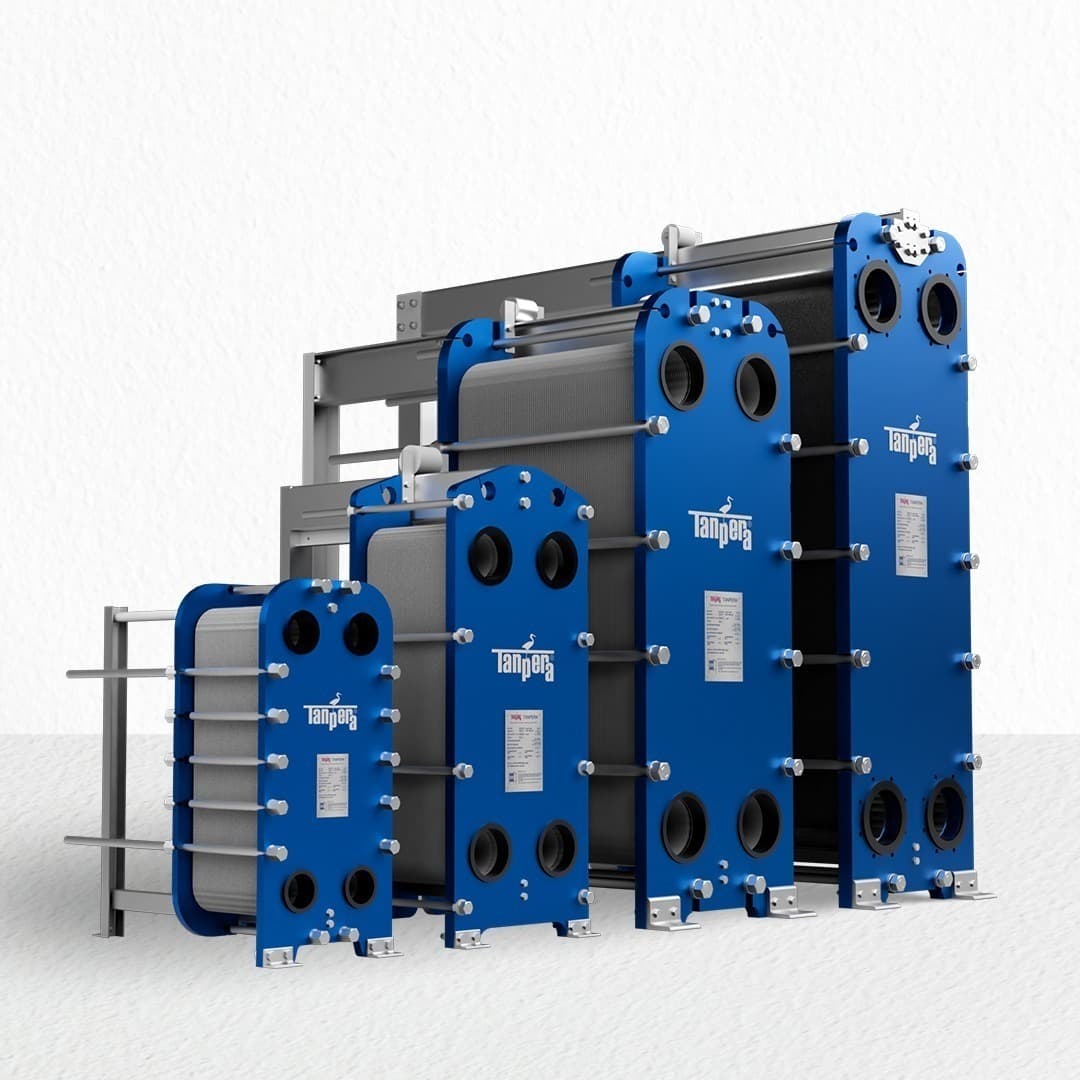
A plate теплообменник (PHE) is a high-эффективность теплообменник in which two fluids at different температураs exchange heat in channels between thin metal plates without mixing. The chevron (corrugated) pattern on the plates creates turbulence that raises the heat-transfer coefficient; compared with shell & tube exchangers, the same duty occupies far less space.
- The two fluids pass through plate channels in counter-flow or cross-flow arrangement
- With a modular plate pack, capacity can be increased or reduced on site (gasketed types)
- Widely used in ОВиК, food pasteurization, chemical процесс, marine and heat recovery
- Энергоэффективность, compact footprint and обслуживание access are core advantages
Пластинчатый теплообменник Type Comparison
The three most common plate теплообменник types address different давление, обслуживание and capacity needs.
| Feature | Gasketed (GPHE) | Brazed (BPHE) | Semi-welded |
|---|---|---|---|
| Construction | Demountable — plates removable | Monobloc — brazed solid block | Laser-welded plate pack + gasket |
| Sealing | EPDM, NBR, Viton gasket | Copper / nickel braze | Weld + gasket (hybrid) |
| Max. давление | 10–25 bar | Up to 30 bar | ~40 bar |
| Обслуживание | Mechanical очистка + CIP | CIP / chemical wash only | Partially demountable |
| Capacity growth | Yes — add/remove plates | No — fixed plate pack | Limited |
| Typical application | ОВиК, food, wide-capacity процесс | Secondary circuit, chiller, compact ОВиК | Aggressive fluid, high давление |
Plate or Shell & Tube?
Correct technology selection depends on проект conditions:
- Plate: clean–moderate загрязнение, high эффективность, compact footprint, modular capacity
- Shell & tube: high давление/температура, particulate/fibrous fluid, heavy процесс
- Пластинчатые теплообменники can occupy up to ~40% less space than shell & tube for the same duty
- Dirty wastewater, sludge or high viscosity → assess spiral or shell & tube
Which Should I Choose?
Decision tree — by проект priorities:
- Dirty fluid or periodic plate очистка → Разборный пластинчатый теплообменник
- Tight space, high давление, clean circuit → Паяный пластинчатый теплообменник
- Aggressive chemical, gasket-free channel → Полусварной пластинчатый теплообменник
- Wide температура range, special процесс → Wide-gap plate теплообменник
- If unsure → send проект data to the Tanpera engineering team
Selection Parameters
Core inputs assessed in расчёт and equipment selection:
- Hot and cold-side расходs and inlet–outlet температураs (ΔT)
- Fluid type, viscosity, corrosion class and загрязнение profile
- Design давление and maximum operating температура
- Plate material (AISI 304, 316, titanium) and gasket selection
- Монтаж footprint, connection orientation and сервис clearance
Common Selection Mistakes
- Wrong gasket material — incompatible with fluid chemistry
- Excessive перепад давления — raises pump energy consumption
- Selecting a brazed type on dirty fluid — очистка becomes impractical
- Insufficient монтаж clearance — обслуживание and dismantling become difficult
- No capacity reserve planned — future load growth forces reinvestment
Tanpera Пластинчатый теплообменник Family
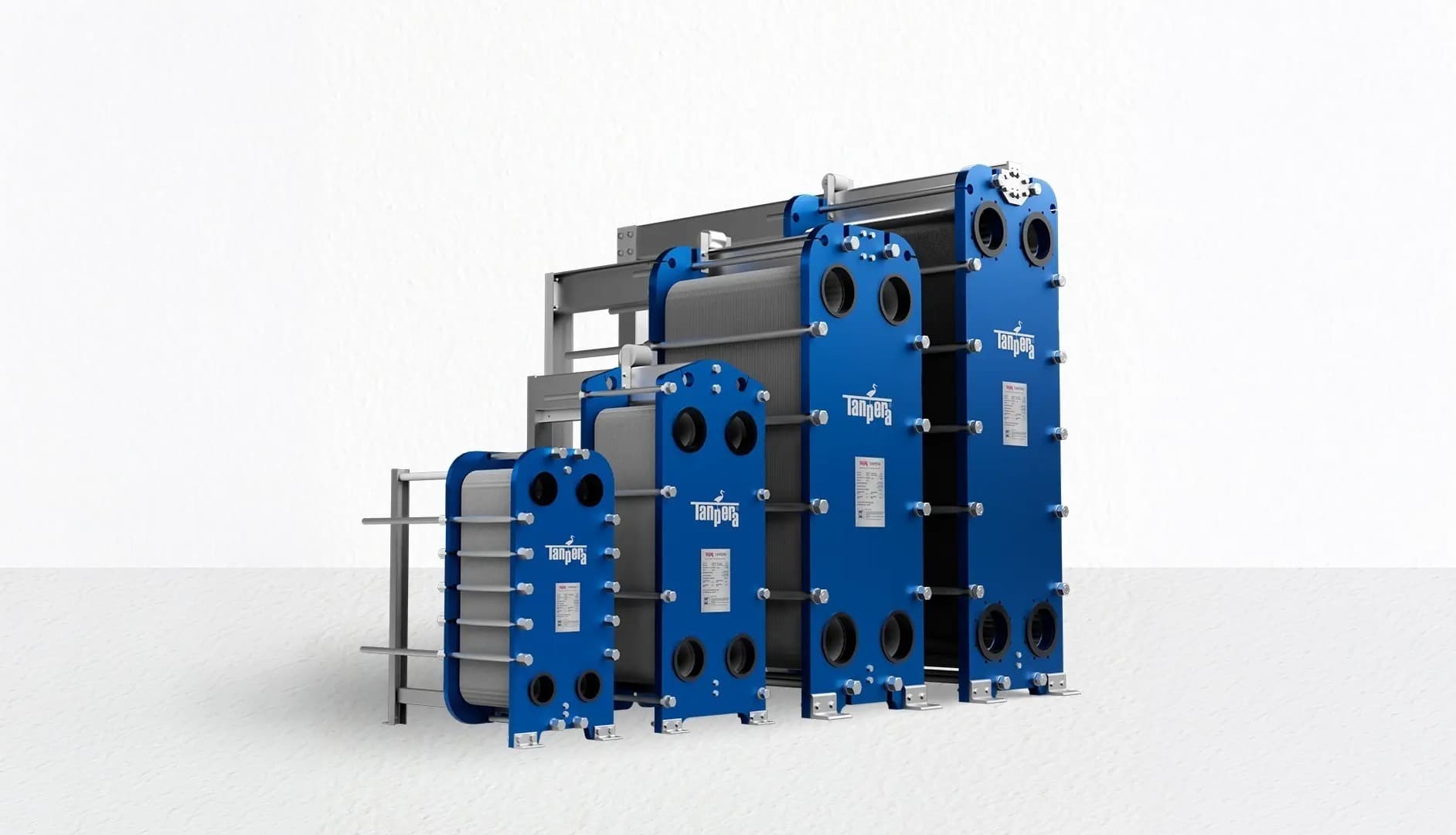
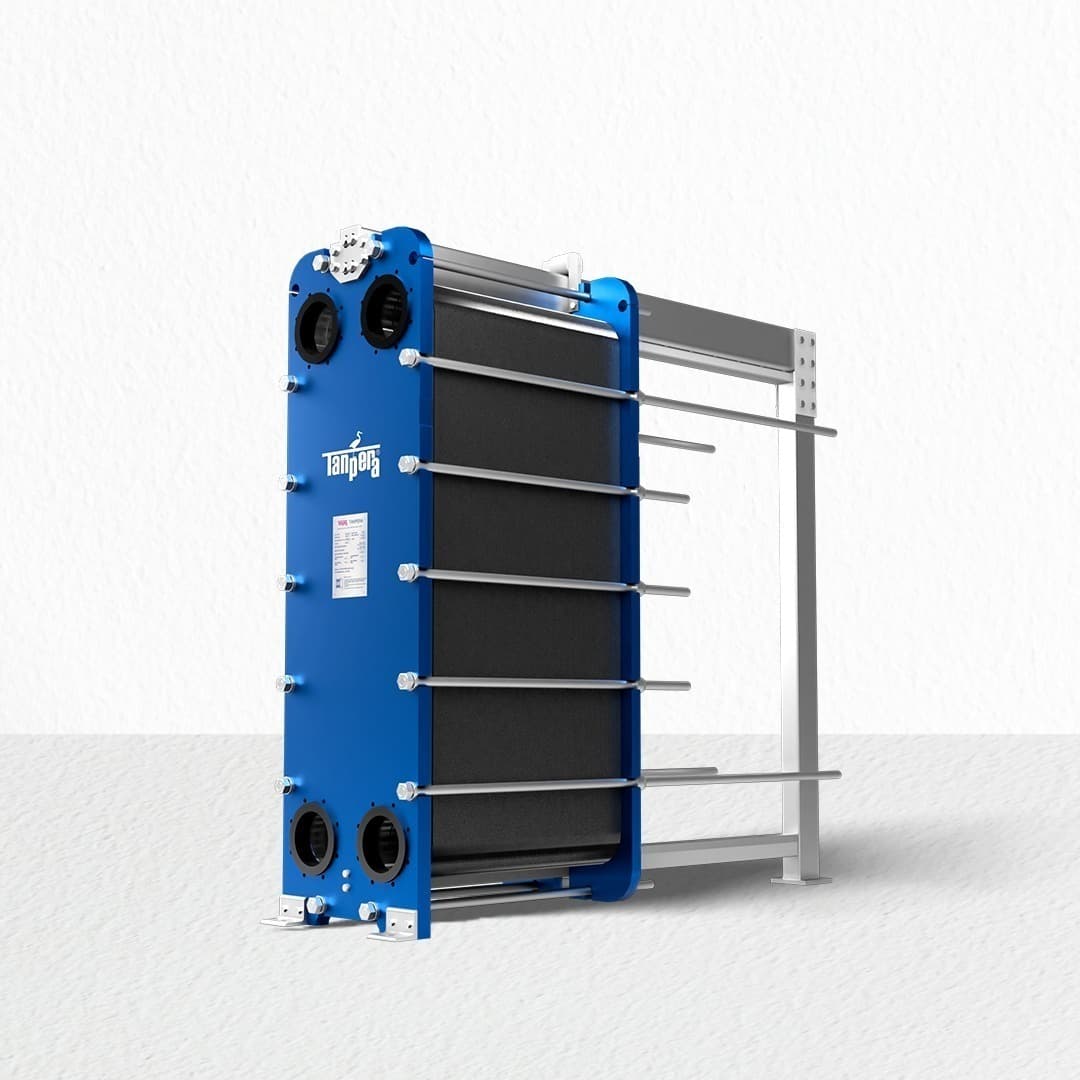
Разборный пластинчатый теплообменник
Modular plate pack, wide capacity range and easy обслуживание. The most widely preferred plate теплообменник type from ОВиК to промышленные процессes.
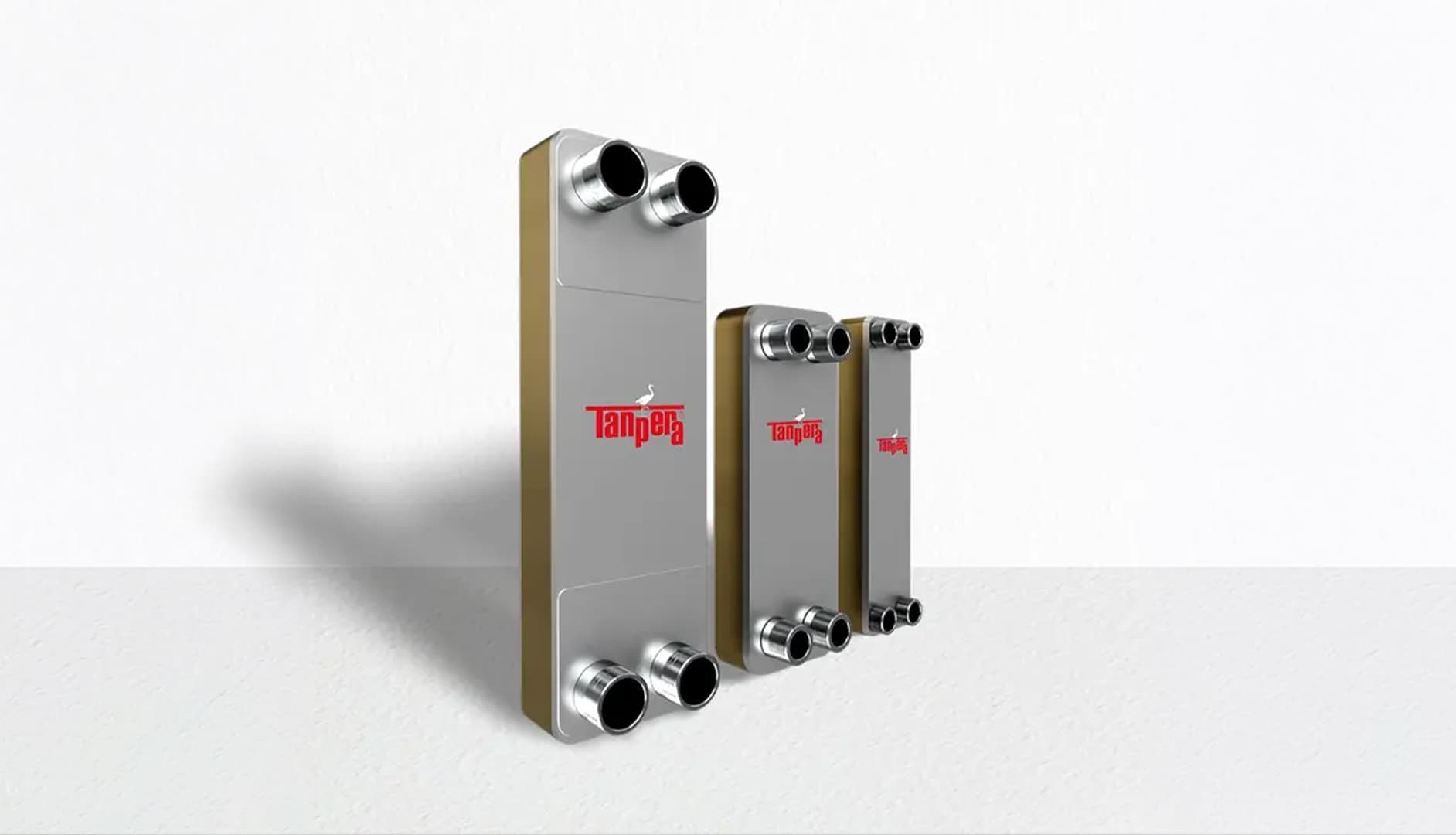
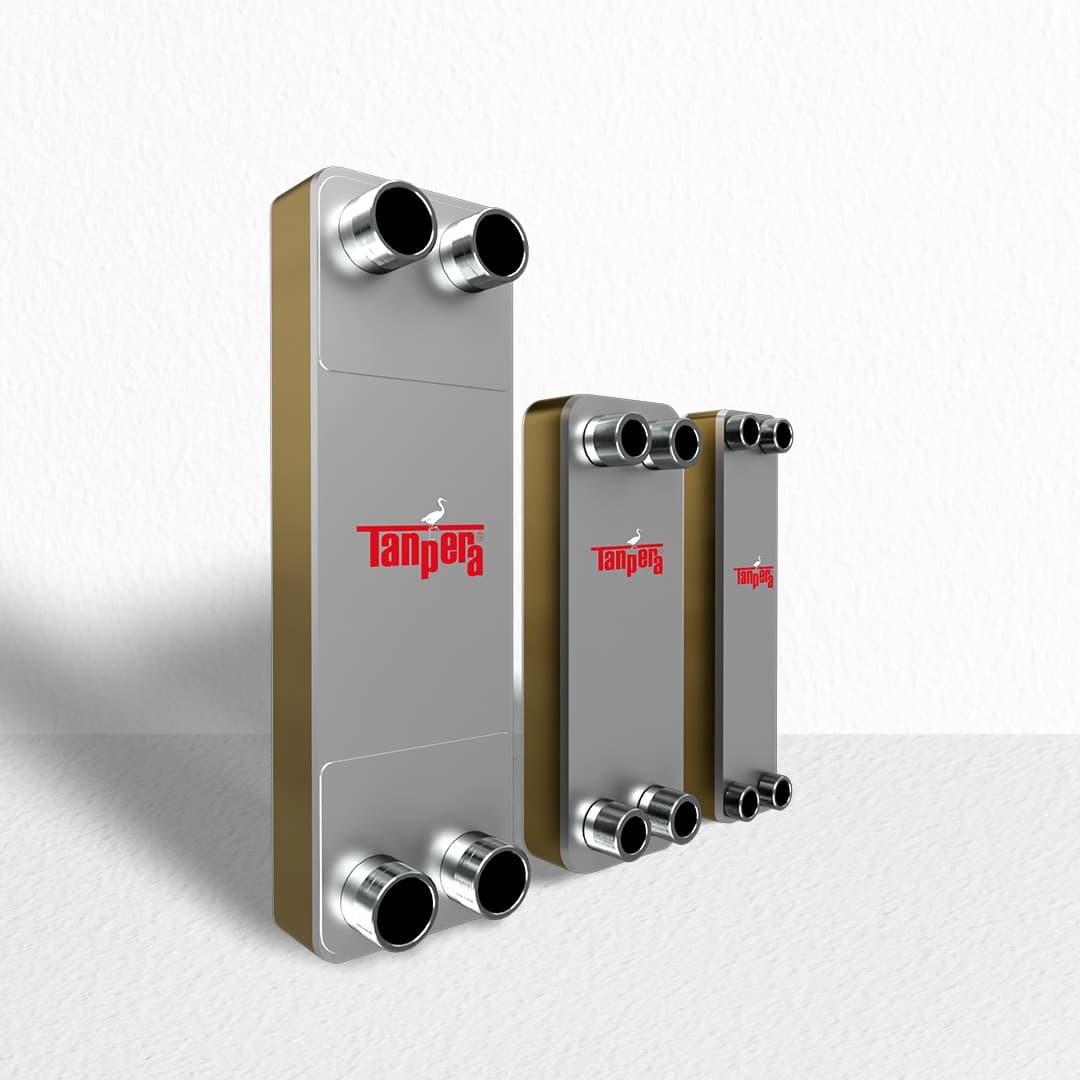
Steel Паяный пластинчатый теплообменник
Gasket-free compact design with high давление capability. Ideal for secondary circuits, chiller side loops and tight spaces.
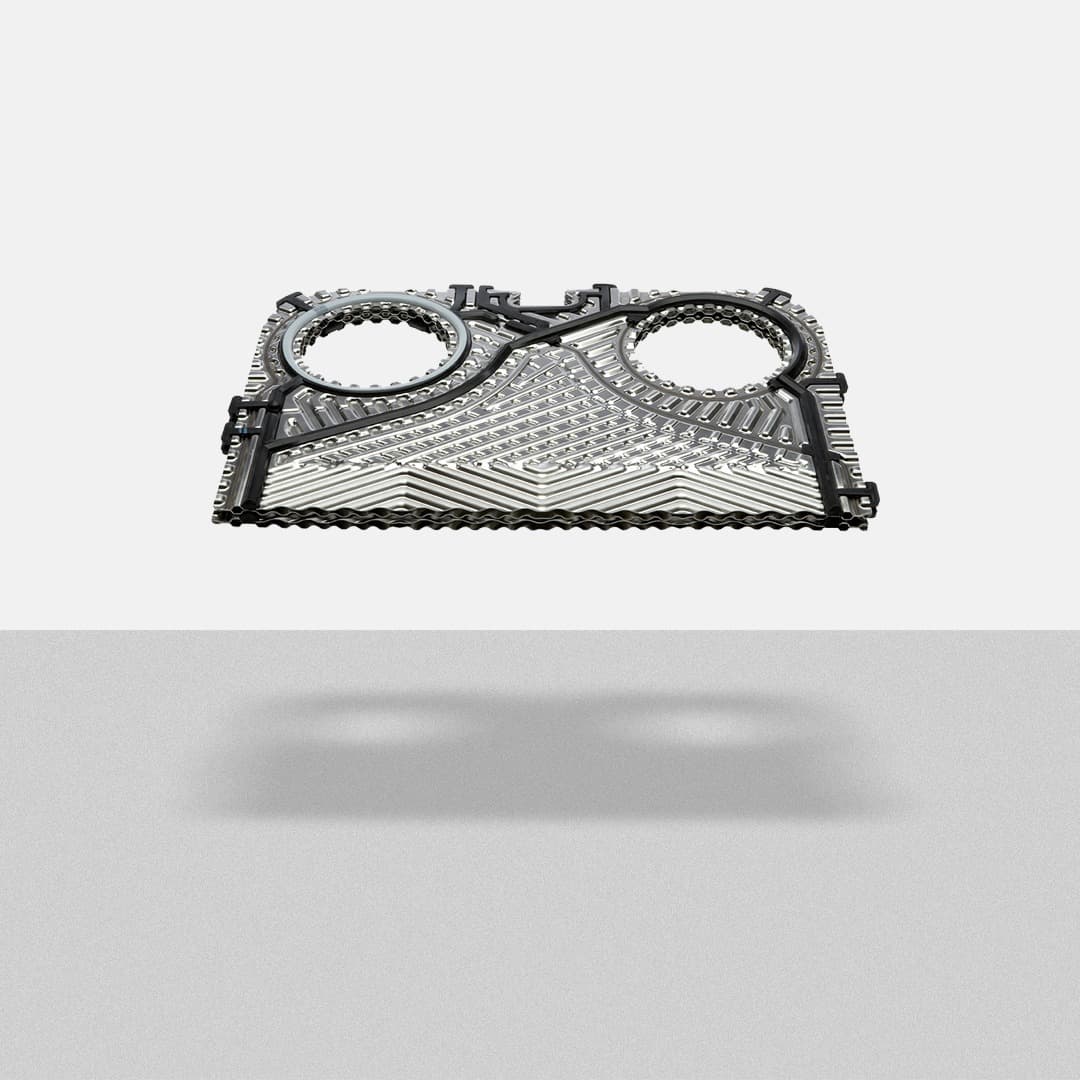
Полусварной пластинчатый теплообменник
A решение with a laser-welded plate pack for aggressive fluids and high давление. Chemical and heavy-процесс применения.
Wide-Gap Пластинчатый теплообменник
Пластинчатый теплообменник designed for special процесс duties across wide температура and flow ranges.
Пластинчатый теплообменник Применения by Sector
Пластинчатые теплообменники serve different процесс needs across sectors:
- ОВиК and здание сервисs — central heating/cooling interface
- Food and beverage — pasteurization, CIP-compatible lines
- Chemical and petrochemical — процесс heating/cooling
- Marine — fresh-water продуктion, lube-oil cooling
Related Решение Center Articles
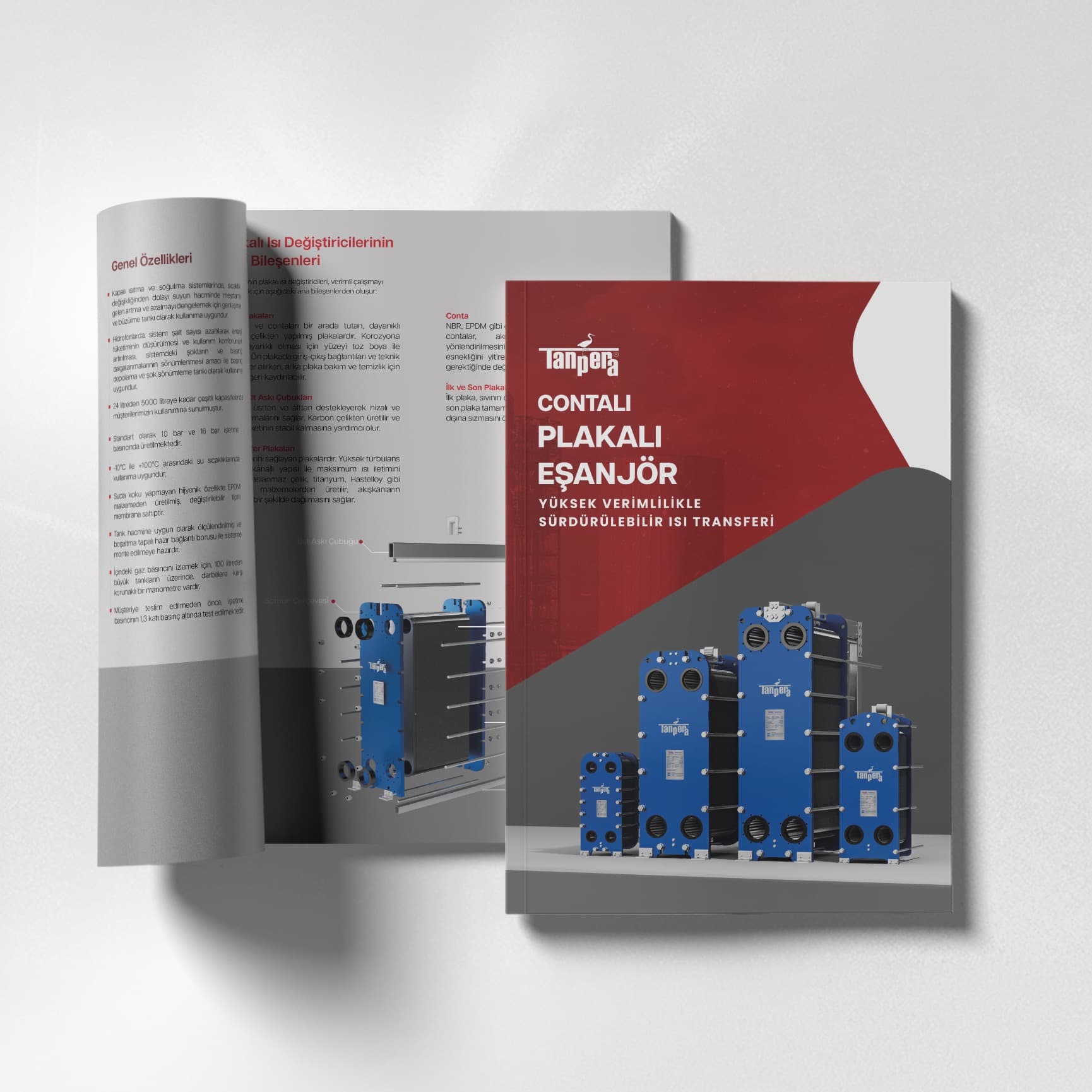
Изучите подробную брошюру
В брошюре вы найдёте группы продуктов Tanpera, технические преимущества и рекомендации по применению.
- Группы продуктов
- Технические преимущества
- Рекомендации по применению
Ссылки и стандарты
- ISO 9001:2015 — Quality management systems — Качественная ссылка для производственных и проектных процессов
Часто задаваемые вопросы
What is a plate теплообменник and how does it work?
A plate теплообменник is a compact unit in which two fluids exchange heat in counterflow through parallel channels between thin metal plates. The corrugated plate pattern creates turbulence for a high heat-transfer coefficient; the fluids do not mix.
What is the difference between a plate теплообменник and a shell-and-tube теплообменник?
Пластинчатые теплообменники deliver high эффективность in a much smaller footprint at the same duty, and gasketed models can be opened for очистка. Shell-and-tube units suit high давление, extreme температура and particulate or fibrous fluids. Clean процесс and ОВиК circuits usually prioritize the plate type.
When is a gasketed plate теплообменник preferred?
Gasketed (GPHE) units are preferred for загрязнение-prone fluids, periodic mechanical plate очистка, future capacity growth and wide heat-transfer duties. They are the most common choice in food, ОВиК and general промышленные процессes.
When is a brazed plate теплообменник preferred?
Brazed (BPHE) units suit absolute compactness, high давление (up to about 30 bar), clean circuits that must avoid gaskets and применения with low обслуживание demand. They are common on chiller side circuits, secondary loops and здание сервисs.
How often should plate теплообменник plates be cleaned?
On clean fluids, an annual general inspection may be enough. Where scale, sediment or biofilm risk exists, assessment every 6–12 months is recommended. Plan очистка when перепад давления exceeds 50% of the design value or эффективность falls 10–15%. See our обслуживание article for a detailed guide.
When are titanium plates required?
Titanium is preferred as plate material for seawater, high-chloride environments or aggressively corrosive fluids. AISI 316 stainless steel is adequate for most процесс duties; final material selection is determined from fluid analysis.
How is a plate теплообменник sized?
Flow rate, inlet–outlet температураs, fluid properties, operating давление and allowable перепад давления are the core inputs. The Tanpera engineering team uses these data to set plate type, plate count and channel arrangement in a software-поддержкаed расчёт.
How is plate теплообменник pricing determined?
Price varies with capacity, plate material, gasket type, давление class and проект-specific requirements. Submit your проект data via the quotation form on the продукт page or satis@tanpera.com.tr for расчёт and pricing.