


Chemical Industry Heat-Transfer Решения
Chemical Industry Heat-Transfer Решения — Tanpera engineering guidance covering процесс requirements, критерии проектирования and рекомендуемое оборудование.

Ключевые выводы
- Chemical Industry Heat-Transfer Решения — Tanpera engineering guidance covering процесс requirements, критерии проектирования and рекомендуемое оборудование.
- Material and gasket/weld selection for aggressive and corrosive fluids
- Safe design at high давление and температура classes
- Channel blockage management with particulate, crystal and viscous fluids
- Precise control of reactor heating/cooling and distillation circuits
Heat-Transfer Challenges in Chemical Процессes
Factors that drive heat-exchanger selection in chemical plants:
- Material and gasket/weld selection for aggressive and corrosive fluids
- Safe design at high давление and температура classes
- Channel blockage management with particulate, crystal and viscous fluids
- Precise control of reactor heating/cooling and distillation circuits
- Compliance with ex-proof and процесс-safety requirements
- Fast обслуживание and сервис access during planned shutdown windows
Equipment Selection by Fluid Profile
Typical chemical-процесс pairings:
| Процесс step | Heat-transfer duty | Рекомендуемое оборудование |
|---|---|---|
| Clean solvent circuit | Standard heating/cooling | Разборный пластинчатый теплообменник |
| Aggressive acid/alcohol | Gasket-free channel | Полусварной пластинчатый теплообменник |
| Particulate / slurry | Wide channel, self-очистка | Spiral теплообменник |
| High-давление reactor | Robust design | Spiral or shell & tube теплообменник |
Design Parameters
Minimum engineering inputs for расчёт:
- Hot/cold-side расходs and inlet/outlet температураs (°C)
- Fluid type, viscosity, corrosion class and загрязнение profile
- Design давление (PN class) and maximum operating температура
- Очистка method: CIP, mechanical plate очистка or periodic сервис
- Монтаж orientation, flange class and existing line давление
- Capacity reserve and future load-growth planning
Tanpera Approach
End-to-end поддержка matched to проект and operating needs:
- Проект-based thermal and hydraulic расчёт
- Site монтаж, пусконаладка and производительность testing
- Процесс integration backed by sector reference experience
- After-sales spare plates, gaskets and сервис network
Recommended Tanpera Продукты
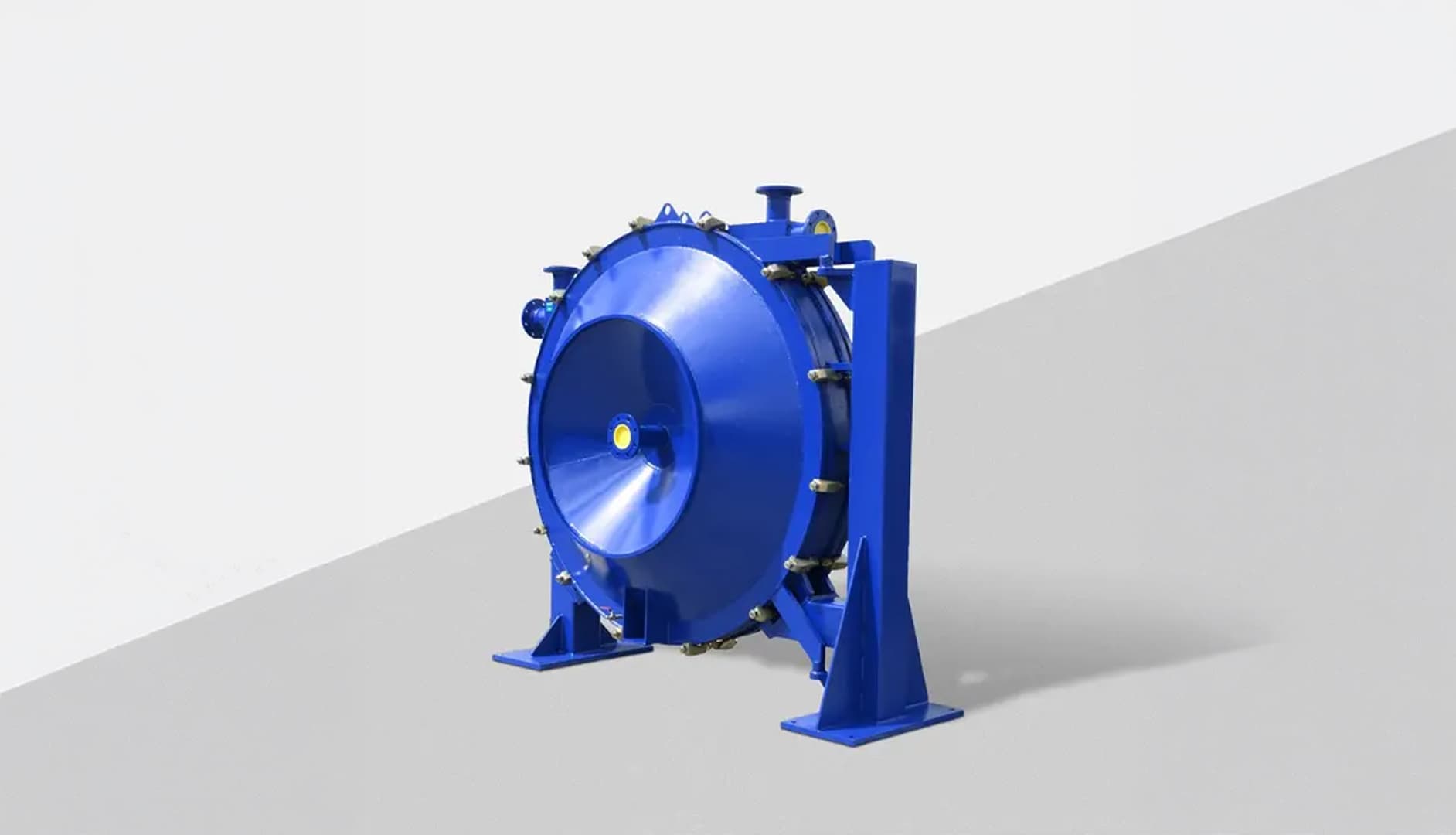
Спиральные теплообменники
Reliable heat transfer for dirty, fibrous and high-viscosity fluids.
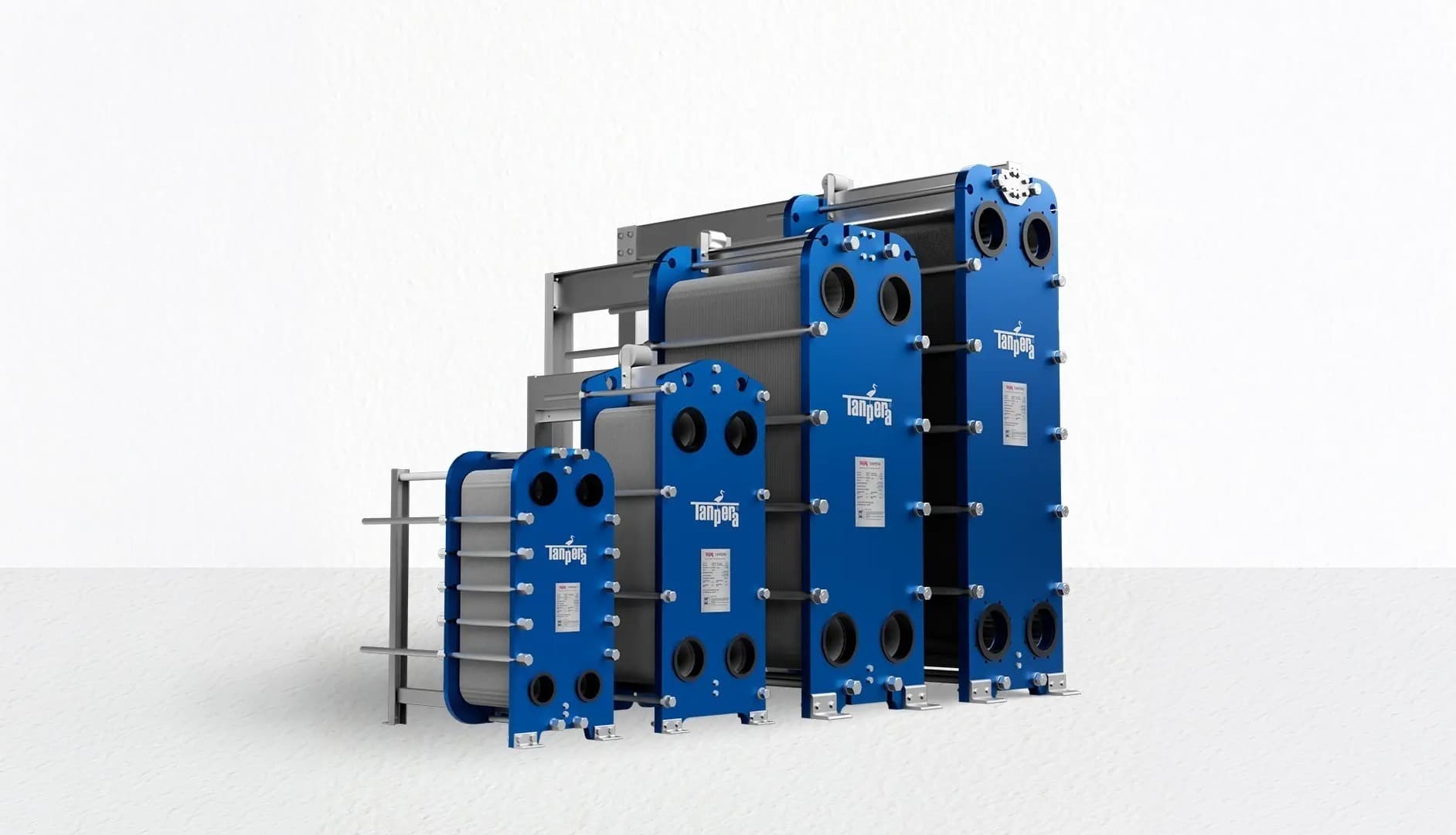
Разборный пластинчатый теплообменник
Modular plate pack, wide capacity range and easy обслуживание. High-эффективность heat transfer for ОВиК and промышленные процесс duties.

Полусварной пластинчатый теплообменник
Laser-welded plate pack for aggressive fluids and high давление.
Equipment Selection Notes
Рекомендуемое оборудование groups for this application:
- Material selection is determined from the fluid analysis report as AISI 316, titanium or a specialty alloy
- Спиральные теплообменники are preferred for high-viscosity and particulate fluids
- Полусварные пластинчатые теплообменники eliminate gasket risk with aggressive chemicals
- Процесс-safety documentation and давление-equipment compliance are provided on a проект basis
Related Решение Center Articles
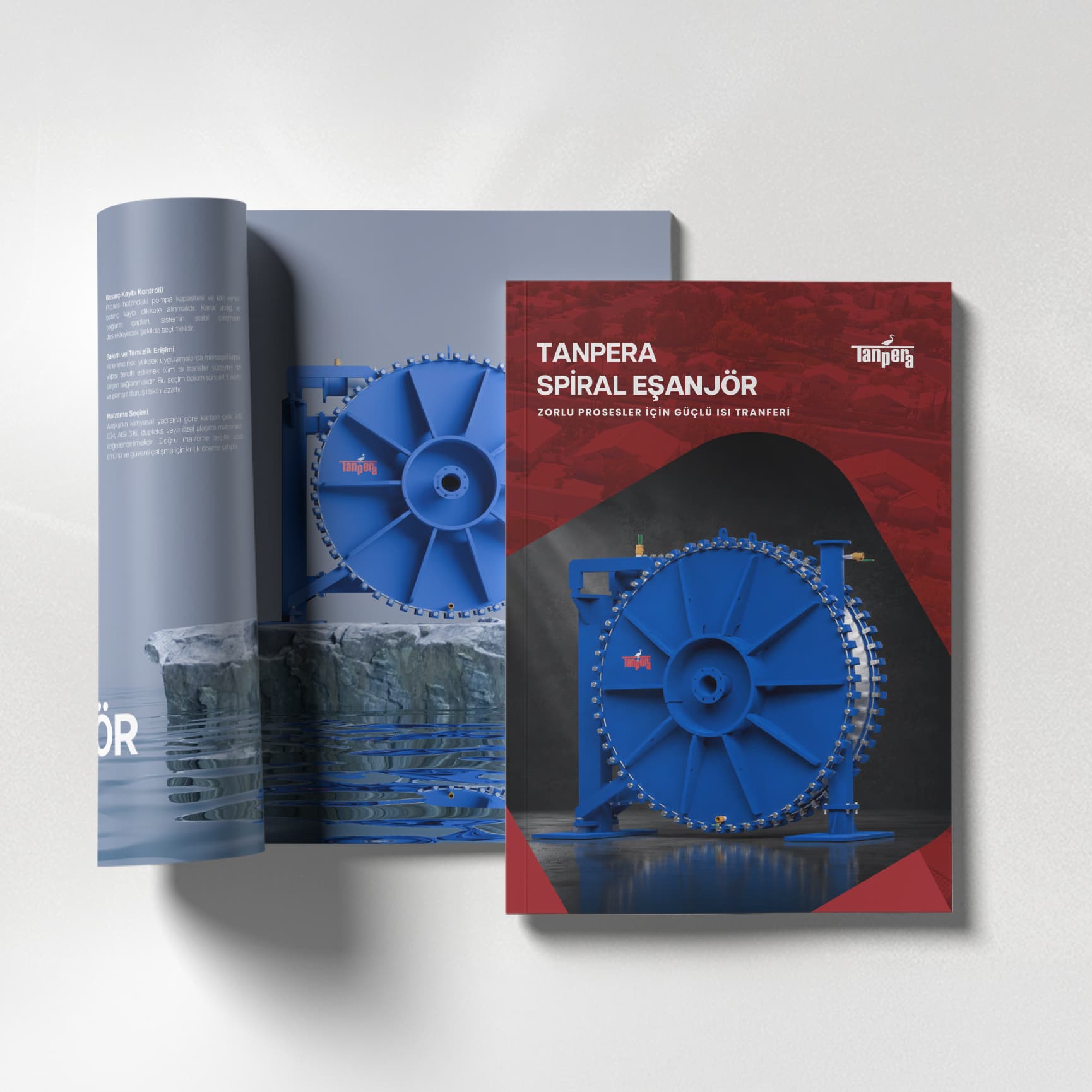
Изучите подробную брошюру
В брошюре вы найдёте группы продуктов Tanpera, технические преимущества и рекомендации по применению.
- Группы продуктов
- Технические преимущества
- Рекомендации по применению
Ссылки и стандарты
- ISO 9001:2015 — Quality management systems — Качественная ссылка для производственных и проектных процессов
Часто задаваемые вопросы
Which теплообменник type is prioritized in chemical процессes?
Gasketed, spiral or semi-welded types are assessed from fluid chemistry, давление class and очистка requirements. Tanpera provides a preliminary selection from the проект data.
When are titanium plates required?
Titanium is preferred as plate material in high-chloride, seawater or aggressively corrosive environments.
How is загрязнение managed?
Gasketed models use periodic mechanical очистка; spiral exchangers rely on self-очистка channel geometry and CIP. Давление-drop trend tracking provides early warning.
Which data are required for расчёт?
Flow rate, inlet–outlet температураs, fluid chemistry, viscosity, design давление and particle size form the minimum input set.